
Have you ever looked at your plate and wondered, “Can my dog eat it, too?” If so, you are not alone. Millions of dog owners often have the same concern.
From fruits and vegetables, meats and dairy items, and herbs to snacks, a variety of human foods are safe for dogs. Similarly, some human food items are dangerous, even if given in small amounts.
This guide comprehensively answers the following questions:
- What foods are safe for dogs?
- What foods should be given in moderation?
- What foods dogs should never eat?
Let’s make it healthier and stress-free to feed your dog carefully by clearly understanding what can and can’t dogs eat.
Understanding Dogs Diet
A dog’s diet is the foundation of its overall health, energy levels, and lifespan. While dogs are often considered carnivores, they are actually omnivores, meaning they can digest and benefit from both animal-based and plant-based foods.
However, their nutritional needs are very different from humans, which is why feeding them the right balance is crucial.
What Nutrients Do Dogs Need?
To stay healthy and active, dogs require a well-balanced combination of:
- Protein: The most important nutrient for dogs. It supports muscle development, tissue repair, and overall growth. High-quality protein sources include chicken, beef, fish, and eggs.
- Fats: A concentrated energy source that also promotes healthy skin and a shiny coat. Omega-3 and Omega-6 fatty acids are especially beneficial.
- Carbohydrates: While not essential, carbs provide fiber and quick energy. They also support digestive health when sourced from whole foods like rice, oats, and vegetables.
- Vitamins & Minerals: These play a key role in immune function, bone health, and metabolic processes. Dogs need nutrients like calcium, phosphorus, and vitamins A, D, and E.
- Water: Often overlooked, water is vital for digestion, temperature regulation, and overall bodily functions. Dogs should always have access to clean, fresh water.
Why Dogs Can’t Eat Everything Humans Eat?
Even though dogs may eagerly eat almost anything, their digestive systems are not designed to handle all human foods.
- Dogs have a shorter digestive tract, which affects how they break down food.
- Certain compounds that are harmless to humans—like xylitol (artificial sweetener) and theobromine (found in chocolate)—are highly toxic to dogs.
- Dogs are also more sensitive to salt, sugar, fats, and spices, which can lead to digestive upset or long-term health issues.
This is why it is essential to understand not just what dogs can eat, but also how much and how often they should eat it.
Can Dogs Eat Human Foods?
Yes—dogs can eat certain human foods, but it is not as simple as sharing whatever is on your plate.
Dogs have a different digestive system and metabolism from humans. While some human foods can provide valuable nutrients, others can upset their stomach—or worse, cause serious health issues.
The next question coming to your mind could be “what human food can dogs eat?” Right? Here’s how it breaks down:
- Some foods are healthy and beneficial (like carrots or plain chicken)
- Some are safe only in moderation (like fruits or dairy)
- Others are toxic—even in small amounts (like chocolate or grapes)
The Golden Rule: “Safe doesn’t mean unlimited, and natural doesn’t always mean safe.”
When Is Human Food Okay for Dogs?
Human food can be a great addition when used correctly:
- As an occasional treat or reward
- To add variety to their diet
- To provide specific nutrients (like fiber or protein)
But it should never replace a complete and balanced dog diet unless guided by a veterinarian.
Common Mistakes Dog Owners Make
- Feeding leftovers with spices, oil, or sauces
- Giving too much “safe” food (leading to weight gain)
- Not checking for hidden toxins (like xylitol in peanut butter)
- Switching foods too quickly without monitoring reactions
Safe vs. Unsafe Dog Foods: A Quick Reference
The table below shows a quick overview of safe vs. unsafe foods for dogs.
| Food | Safe for Dogs | Unsafe for Dogs |
| Fruits | Apples (no seeds), Bananas, Blueberries, Watermelon | Grapes, Raisins, Avocado, Citrus (large amounts) |
| Vegetables | Carrots, Pumpkin, Sweet Potatoes, Cucumbers | Onions, Garlic, Raw Potatoes |
| Meat | Cooked Chicken, Turkey, Beef, Lamb | Raw/undercooked meat, processed meats (bacon, sausage) |
| Seafood | Cooked Salmon, Sardines, Shrimp | Raw fish, Fish bones |
| Grains | Rice, Oatmeal, Plain Bread | Raw dough |
| Dairy | Cheese, Yogurt (small amounts) | Large amounts of milk (lactose issues) |
| Nuts & Seeds | Peanut butter (xylitol-free), Unsalted peanuts | Macadamia nuts, Xylitol-containing products |
| Sweets/Others | Plain homemade treats | Chocolate, Xylitol, Alcohol, Caffeine |
What Human Food Can Dogs Eat Safely?
This section explains what human foods can dogs have without any concerns, including fruits, vegetables, dairy items, meats, seafood, and more. Let’s look into each one by one.
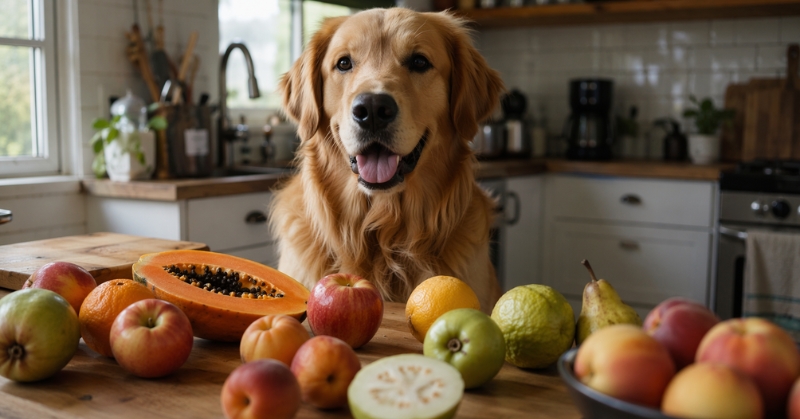
What Fruits Can Dogs Eat?
Generally, fruits are rich in vitamins and antioxidants. Let’s explore what fruits can dogs eat.
- Apples (no seeds): Great fiber source
- Bananas: High in potassium
- Oranges (small amounts): Immune support
- Papaya (no seeds & skin): Immune support
- Nectarines (only fresh): Vitamins & fiber
- Apricots (no pits/leaves/stems): Nutritious
- Pears (no seed/core/stem): Offer vitamins
- Guava (no seeds/skin): Fiber & nutrients
- Acai (small amounts): Rich in antioxidants
- Watermelon (seedless): Hydrating treat
- Blueberries: Powerful antioxidants
- Mango (no pit): Sweet and nutritious
Important Tip: Always remove seeds, pits, and peels.
Read More: What Fruits Can Dogs Eat? (link it to this page once it is live)
What Vegetables Can Dogs Eat?
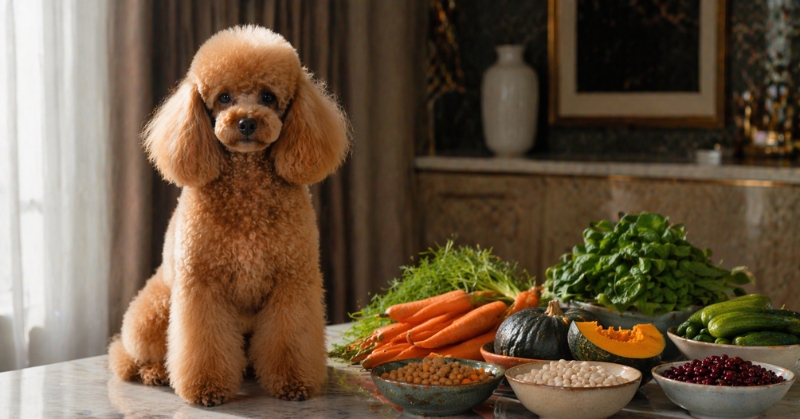
Vegetables are low-calorie and fiber-rich. Below is a list of vegetables and legumes you can feed your dog safely.
- Carrots: Improve dental health
- Cucumbers: Hydrating and low-calorie
- Pumpkin: Excellent for digestion
- Spinach (small amounts): Nutrient-rich
- Sweet potatoes (cooked): Rich in vitamins
- Black eyed peas (cooked): High in protein and fiber
- Chickpeas (in natural form): Promotes muscle growth
- Red beans: great source of antioxidants, fiber, and protein
- Cannellini beans (cooked without salt): fiber-packed, nutritious, nutrient-rich
- Green beans: Great for weight control
Tip: Cook veggies when needed to improve digestion.
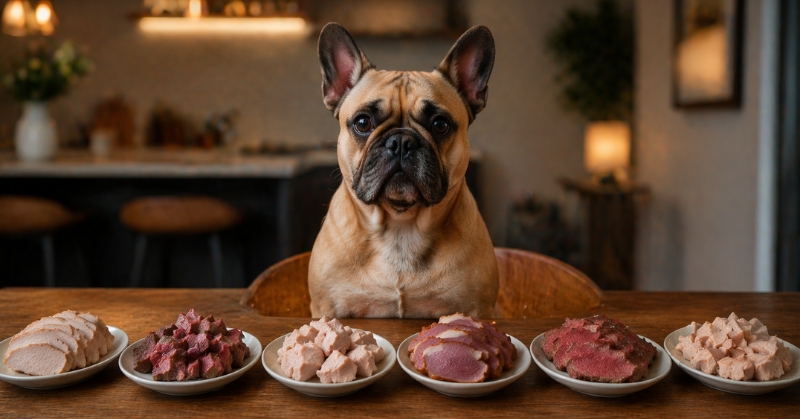
What Meat Can Dogs Eat?
Protein is the foundation of a dog’s diet. Raw meat is an ideal source of high-quality, bioavailable protein for your canine. However, many vet don’t consider raw meat ideal (they prefer cooked meat only) due to higher risks of bacterial contamination. Below is a list of what raw meat can dogs eat.
- Turkey
- Lamb
- Rabbit
- Duck
- Beef
- Chicken (boneless, cooked)
Other excellent sources of protein include fish (salmon, tuna in moderation) and eggs (fully cooked).
Important: Never add salt, spices, or oils while preparing.
Diary Products for Dogs
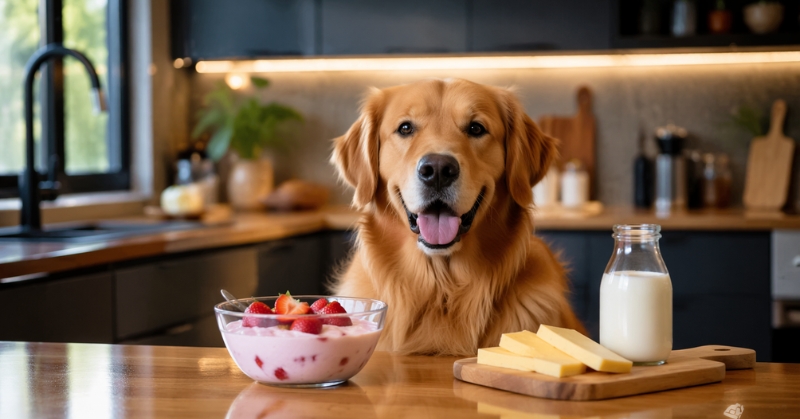
Many dog owners wonder, “Can dogs eat dairy?” The simplest answer to this query is “some dogs tolerate dairy, others don’t.” Common dairy items you can offer your dog include:
- Strawberry/Yoplait yogurt
- Cheese (small amounts)
- Milk (limited)
Note: Watch for signs of lactose intolerance (gas, diarrhea).
Carbohydrates and Grains for Dogs
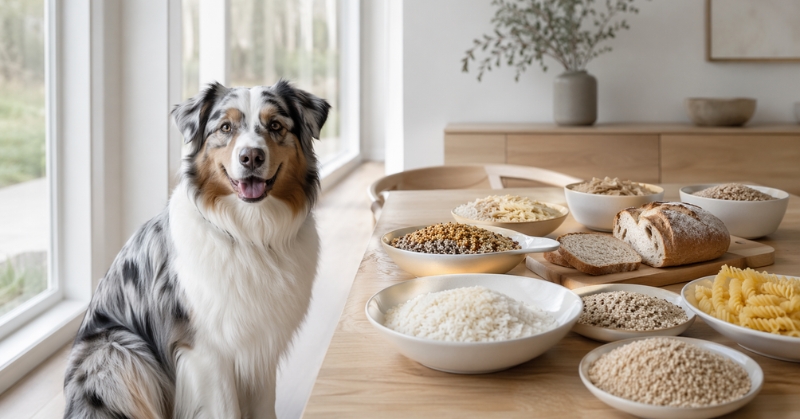
If you are searching for “Can dogs eat grains,” the answer is YES. Here is a list of grains your dogs can have safely.
Nuts and Seeds for Dogs
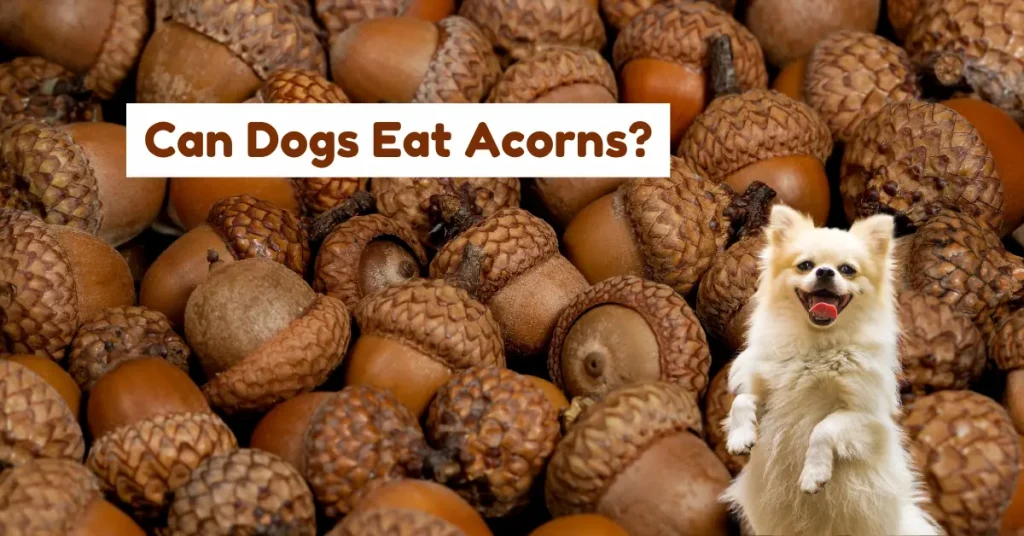
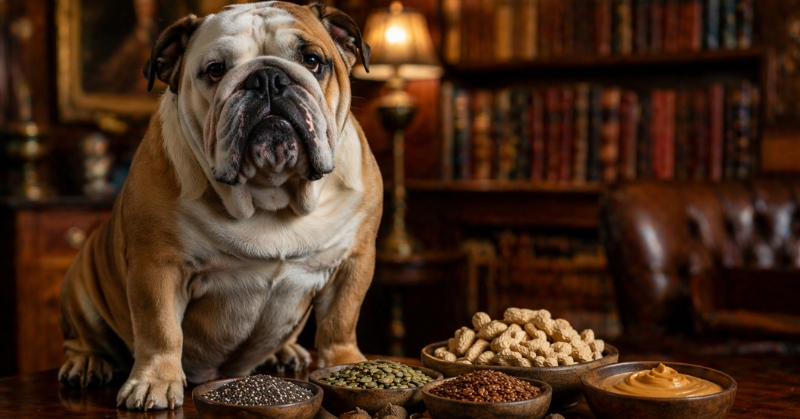
- Acorns
- Chia Seeds
- Pumpkin Seeds
- Peanut butter (xylitol-free)
- Unsalted peanuts
- Flaxseeds
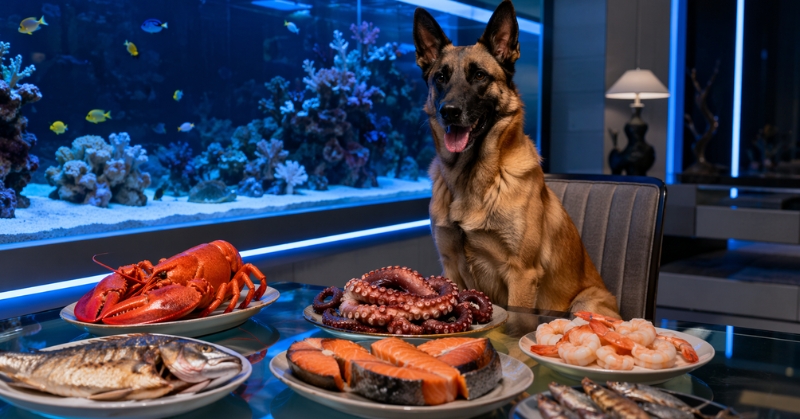
Seafoods for Dogs
What raw seafood can dogs eat is a common question among pet owners looking to add fresh, nutritious options (as listed below) to their dog’s diet.
- Lobster
- Octopus
- Fish (fully cooked): Salmon, Tilapia
- Shrimp (peeled and cooked)
- Sardines
What seafood can dogs not eat is equally important to understand, as some types, like raw shellfish or seasoned seafood, can be harmful to dogs.
Human Snacks for Dogs | Not All Are Safe
What human snacks can dogs eat is a question many dog owners ask when they want to safely share everyday treats with their furry companions. You can safely give your dog the following human snacks.
- Cheerios (occasionally, in small amounts)
- Homemade dog treats (they are a healthier option)
- Plantain chips (plain and cooked, in small amounts)
- Ritz crackers (plain, in small amounts)
- Scooby snacks (dog-specific options are safe)
- Takis (better avoided, as they are heavily salty, spicy, and seasoned)
- Gummy worms (offer no nutritional value)
- Hot Cheetos (don’t feed them, can cause digestive upset)
- Welch fruit snacks (better avoided, grape juice concentrate, and high sugar)
- Goldfish crackers (not recommended due to high sodium levels)
- Nutter butters (better avoid due to high sugar, salt, and fat)
- Swedish fish (should be avoided due to corn syrup, high sugar, and gelatin)
- Funyuns (toxic, should be avoided)
- Plain popcorn
- Cooked eggs
What Herbs, Sauces, and Condiments Can Dogs Eat?
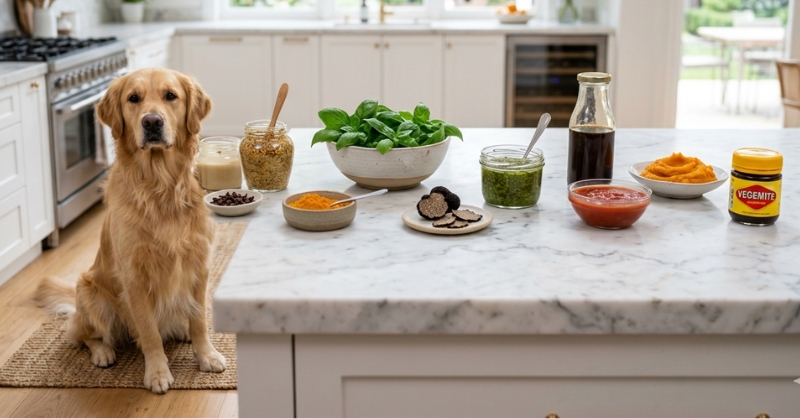
What herbs can dogs eat is an important question for pet owners who want to enhance their dog’s meals with safe, natural ingredients. What dried herbs can dogs eat is often asked by those who prefer long-lasting, pantry-friendly additions to their dog’s diet.
Similarly, what herbs and spices can dogs eat safely is a common concern when adding flavor to homemade dog food. Moreover, what sauces can dogs eat is worth considering, as many store-bought sauces contain ingredients that may not be safe for dogs. Below is a list of safe herbs, sauces, and condiments for your dogs.
- Basil
- Turmeric
- Mustard
- Tahini
- Cloves
- Truffles
- Pesto
- Teriyaki sauce
- Plain tomato sauce
- Plain pumpkin puree
- Vegemite
- Bone Broth
What herbs can dogs not eat (such as bay leaves, comfrey, nutmeg, and garlic) should also be understood to avoid toxic options that may harm your dog’s health.
What Human Sweets Can Dogs Eat?
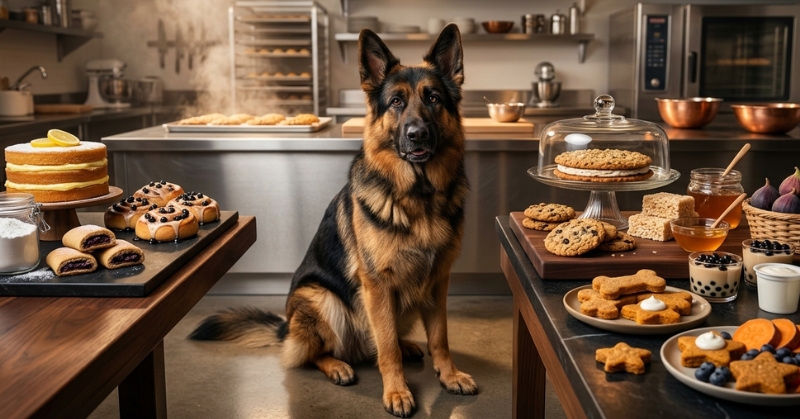
Dogs can enjoy a few human sweets and desserts, but only in small amounts and when they are safe (no harmful ingredients like chocolate or xylitol). Here are some safe options:
- Cake
- Honey buns
- Cinnamon rolls
- Powdered sugar
- Fig newtons
- Boba delights
- Oatmeal cream pies
- Rice Krispie treats
- Lemon cake
- Scooby snacks
- Carrot-based treats
- Plain yogurt
- Dog-safe homemade treats
- Sweet potatoes
- Fruits (as discussed earlier)
What Fast Food Can Dogs Eat?
Here are some fast food items dogs can eat (only occasionally and in small amounts):
- Plain grilled chicken (without seasoning, sauces, or spices)
- Plain hamburger patty (without salt, onions, or condiments)
- A few plain fries (very limited due to salt and oil)
- Plain bread or buns (in small amounts, without sauces)
- Plain scrambled eggs (if available without butter or seasoning)
- Side veggies (like plain corn or carrots), if unseasoned
- Plain rice (sometimes available as a side, easy on digestion)
Completely avoid fried chicken, spicy items, onions, garlic, cheese-loaded foods, and anything with xylitol or heavy seasoning.
Note: Fast food should never replace a dog’s regular diet—it is just an occasional treat.
What Foods Can Dogs Eat in Moderation?
- Gooseberries (high in oxalates)
- Blackberries (higher doses may lead to diarrhea or digestive upset)
- Strawberries (high sugar content)
- Lychee (saponins)
- Olives (packed with fat and salt)
- Rockmelons (high sugar content)
- Pineapple (high sugar content)
- Avocado (high fat content)
- Coconut (high oil and fat content)
- Honey (high in sugar and calories)
- Zucchini (high fiber, low calorie)
- Eggplant (higher doses may trigger allergies)
- Lentils (can cause gas)
- Cinnamon (high coumarin content)
- Broccoli (can cause gas)
- Tomatoes (ripe only)
- Potatoes (cooked only)
What Human Food Can Dogs Not Eat?
Here is what you should never feed your canine.
Extremely Toxic Foods
Many pet owners often ask, “Which food is toxic for dogs,” especially when trying to keep their pets safe from harmful human foods, as given below.
- Chocolate (theobromine poisoning)
- Onions, garlic, chives (red blood cell damage)
- Xylitol (artificial sweetener)
- Alcohol
- Caffeine
Dangerous Foods
- Cooked bones (choking hazard)
- Chocolate cakes, brownies, pastries
- Fat trimmings
- Raw dough (yeast expansion)
- Sugary foods
- Salty snacks
- Raw meat (bacteria risk)
- Bologna
- Donuts (high sugar and fat)
- Raisin bread or buns
- Garlic bread
- Cakes with frosting or artificial sweeteners
- Anything containing xylitol
Unsafe Fruits and Plants
- Unripe lychees
- Tamarind (high potassium bitartrate and tartaric acid)
- Sultanas (high tartaric acid)
- Grapes (high levels of potassium bitartrate and tartaric acid)
- Longans (may cause gastrointestinal issues)
- Avocado pit & skin
- Cherry pits
- Apple seeds
- Wild mushrooms
- Raw potatoes (harmful compounds)
Unsafe Animal Products
- Raw eggs (bacteria risk)
- Raw fish/meat (parasites)
- Unpasteurized dairy
What Household Items are Toxic to Dogs?
The following household items are toxic or dangerous for dogs.
- Vanilla essential oil (can cause respiratory issues and kidney damage)
- Aquaphor (may lead to digestive upset)
- Fabuloso (can cause diarrhea, skin rashes, or vomiting)
- Human medications (painkillers, antidepressants, vitamins (especially iron))
- Candles & essential oils (tea tree oil, eucalyptus oil)
- Cleaning products (such as bleach, disinfectants, toilet cleaners)
- Soaps & detergents (laundry pods, dishwashing liquids)
- Insecticides & pesticides (ant poison, rat bait, bug sprays)
- Toxic plants (lilies, aloe vera, pothos, tulips)
- Tobacco & nicotine products (cigarettes, vapes, nicotine gum)
- Antifreeze (ethylene glycol) (highly toxic, even in small amounts)
- Batteries (can leak harmful chemicals if chewed)
- Small objects (coins, buttons, toys (choking hazard or blockage))
- String, yarn, or floss (can cause serious intestinal blockage)
- Mothballs (contain toxic chemicals)
- Paints & solvents (can cause poisoning if ingested or inhaled)
What Foods Can Dogs Eat in Pregnancy?
Feeding a pregnant dog isn’t just about giving more food—it is about giving the right nutrients at the right time.
During pregnancy, your dog’s body goes through major changes. Her nutritional needs increase to support:
- Healthy puppy development
- Strong bones and organs
- Safe delivery and recovery
Let’s talk about what foods are safe and beneficial for pregnant dogs—and what to avoid.
Best Foods for Pregnant Dogs
Here is what you can safely feed your dog in pregnancy.
1. High-Quality Protein (Most Important)
Protein is the foundation of your dog’s pregnancy diet. Below are the safe protein sources.
- Cooked chicken (boneless)
- Turkey
- Lean beef
- Lamb
- Eggs (fully cooked)
Why It Matters?
- Supports puppy growth
- Helps tissue development
- Maintains the mother’s strength
Note: Aim for high-protein meals daily, especially after week 4 of pregnancy.
2. Calcium-Rich Foods (For Strong Bones & Teeth)
Calcium is essential—but must be balanced properly.
Safe Calcium Sources
- Plain yogurt
- Cottage cheese
- Cheese (small amounts)
- Cooked eggshell powder (only if vet-approved)
Tip: Too much calcium can cause complications. Avoid supplements unless recommended by a vet.
3. Healthy Fats (Energy Boost)
Pregnant dogs need more energy, and fats help meet that demand.
Safe Fat Sources
- Cooked salmon
- Sardines
- Fish oil (vet-approved)
Benefits
- Supports brain development in puppies
- Improves coat health
- Provides concentrated energy
4. Easily Digestible Carbohydrates
Carbs provide steady energy and help with digestion.
Safe Carb Options
- Rice
- Oatmeal
- Sweet potatoes (cooked)
5. Vegetables for Vitamins & Fiber
Vegetables help digestion and add essential nutrients.
Safe Vegetables
- Carrots
- Pumpkin
- Green beans
- Spinach (small amounts)
6. Fruits (Occasional Treats)
Fruits should be given in moderation due to their sugar content.
Safe Fruits
- Apples (no seeds)
- Bananas
- Blueberries
- Watermelon (seedless)
Foods to Avoid During Dog Pregnancy
Some foods become even more dangerous during pregnancy.
Strictly Avoid
- Chocolate
- Grapes & raisins
- Onions & garlic
- Xylitol (artificial sweetener)
- Alcohol & caffeine
Also Avoid
- Raw meat or eggs (bacteria risk)
- High-salt or processed foods
- Spicy or oily foods
How Much Should a Pregnant Dog Eat?
Feeding needs change throughout pregnancy:
Weeks 1–4
- Normal feeding routine
- No major increase needed
Weeks 5–9
- Increase food gradually (up to 30-50%)
- Switch to puppy food (higher nutrients)
Feeding Tips for Pregnant Dogs
- Feed small, frequent meals
- Always provide fresh water
- Avoid sudden diet changes
- Choose high-quality, nutrient-dense food
Important Note: Want to plan your dog’s diet and care week by week? Try our Dog Pregnancy Calculator to instantly estimate the due date and stay fully prepared for every stage of pregnancy. It is more than a due date calculator and serves as a complete companion throughout the pregnancy period.
Should You Feed Homemade or Commercial Food to a Pregnant Dog?
- Best Option: High-quality puppy food (balanced nutrition)
- Homemade Diet: Only if properly balanced. Consult a vet for the correct nutrient ratios
Signs of Poor Nutrition During Pregnancy
Watch for:
- Weight loss
- Low energy
- Dull coat
- Poor appetite
If you notice these, consult your vet immediately.
How to Know If Your Dog Ate Something Toxic?
- Vomiting
- Diarrhea
- Lethargy
- Seizures
- Tremors
- Loss of appetite
In case you notice any of the above symptoms, contact your vet immediately.
What to Do If Your Dog Eats Toxic Food?
If your dog accidentally eats something toxic, quick and calm action is critical. The sooner you respond, the better the chances of preventing serious health complications. Here is a step-by-step immediate action plan.
- Stay Calm and Act Fast: Panicking can delay important decisions. Take a deep breath and focus on helping your dog.
- Remove Access to the Substance: Immediately take away any remaining food or toxin to prevent further ingestion.
- Identify What Your Dog Ate: This is what you should consider:
- Check packaging, ingredients, or leftovers
- Estimate how much was consumed
- Note the time it happened
- Bring the packaging of the food the dog ate to the vet so the exact toxic dosage can be calculated.
This information will be extremely helpful for your vet.
- Call Your Veterinarian Immediately: Contact your vet or an emergency animal clinic right away—even if symptoms haven’t appeared yet. Some toxins act slowly but can still be deadly.
- Do Not Induce Vomiting Without Advice: Inducing vomiting incorrectly can make things worse, especially with substances like:
- Sharp objects
- Chemicals
- Oils or fatty foods
Always follow professional guidance before attempting anything.
Emergency Contacts | Add to Your Phone Now
Keep these numbers easily accessible so you can act fast in an emergency:
- Animal Poison Control Center (ASPCA): (888) 426-4435
- Pet Poison Helpline: (855) 764-7661
- Your Local 24-Hour Emergency Vet Clinic: You can search online for “24 hour emergency vet near me” to find a nearby clinic for an emergency visit.
- Your Regular Veterinarian: Arrange an instant visit to the vet where you go regularly
Tip: Save these contacts in your phone under “Emergency – Pet” for quick access.
How to Introduce New Human Foods Safely to Dogs?
Introducing new human foods to your dog can be a great way to add variety and nutrition—but it must be done carefully and gradually. A sudden change in diet can upset your dog’s stomach or trigger allergic reactions, so a slow and controlled approach is essential.
Step-by-Step Guide to Introducing New Foods
Here is how you can give new human food items to your dog.
- Start with Small Portions: Begin with a tiny amount (a bite-sized piece or less) to see how your dog reacts. This minimizes the risk of digestive upset.
- Introduce One Food at a Time: Avoid giving multiple new foods at once. Stick to one new item for 2-3 days so you can clearly identify any negative reactions.
- Monitor for Reactions: Watch your dog closely for signs such as:
- Vomiting or diarrhea
- Gas or bloating
- Itching or skin irritation
- Lethargy
If any of these symptoms appear, stop feeding the new food immediately and consult your vet.
- Keep It Plain and Simple: Always serve new foods:
- Cooked (when required)
- Unseasoned (no salt, spices, or oils)
- Free from sauces or additives
- Gradually Increase Quantity: If your dog tolerates the food well, you can slowly increase the portion size over time — but only as an occasional treat.
Follow the 90/10 Rule
A good rule of thumb is:
- 90% of your dog’s diet = regular, balanced dog food
- 10% or less = treats or human foods
This ensures your dog still gets all essential nutrients.
Know Your Dog’s Limits
Not all dogs react the same way:
- Some may have food allergies or sensitivities
- Puppies and senior dogs may have more delicate digestion
- Certain breeds are prone to stomach issues
Note: Always consider your dog’s age, size, and health before introducing new foods.
Pro Tips for Success
- Try new foods in the morning so you can monitor reactions throughout the day.
- Keep a simple food log if testing multiple items over time.
- Stick to dog-safe food lists only
- When in doubt, ask your vet first
Portion Control and Feeding Guidelines
Feeding your dog the right foods is important—but feeding the right amount is just as critical. Overfeeding, even with healthy foods, can lead to obesity, digestive issues, and long-term health problems. Proper portion control ensures your dog gets the nutrition they need without unnecessary risks.
What Determines the Right Portion Size?
There is no one-size-fits-all answer. The ideal portion depends on several factors:
- Size & Weight: Small breeds need fewer calories, while large breeds require more
- Age: Dogs of different ages have different requirements, as listed below.
- Puppies need more frequent, nutrient-dense meals
- Adult dogs require balanced maintenance portions
- Senior dogs often need fewer calories
- Activity Level: Active dogs burn more energy and need larger portions
- Breed: Some breeds are prone to weight gain or sensitive digestion
- Health Conditions: Dogs with medical issues may need specialized diets
Note: Always adjust portions based on your dog’s individual needs—not just general guidelines.
How Much Should You Feed?
A general guideline:
- Follow the feeding instructions on your dog’s food packaging
- Divide meals into:
- 2 meals per day for adult dogs
- 3-4 meals per day for puppies
Tip: Monitor your dog’s weight and adjust portions if they are gaining or losing too quickly.
Signs You’re Overfeeding or Underfeeding
Overfeeding signs may include:
- Weight gain
- Low energy
- Difficulty moving
Underfeeding signs include:
- Weight loss
- Visible ribs
- Low stamina
Regularly check your dog’s body condition to keep them in a healthy range.
Practical Portion Control Tips
- Use a measuring cup or kitchen scale for accuracy
- Avoid free-feeding (leaving food out all day)
- Stick to a consistent feeding schedule
- Limit table scraps and random snacks
- Adjust portions when introducing new foods
Homemade Dog Foods vs. Commercial Diets
When it comes to feeding your dog, one big question many owners ask is: Should you cook at home or stick to commercial dog food?
The truth is, both options can be healthy if done correctly. The key is understanding the pros, cons, and what works best for your dog’s specific needs.
Homemade Dog Food: Fresh, But Requires Care
Homemade meals give you full control over what goes into your dog’s bowl.
Benefits of Homemade Dog Food
- Complete ingredient control: No preservatives, fillers, or unknown additives
- Better for sensitive dogs: Ideal for allergies or specific dietary needs
- Fresh and natural: Whole foods can improve digestion and coat health
- Customizable nutrition: Tailored to your dog’s age, breed, or health condition
Challenges to Watch Out For
- Nutritional imbalance risk: Missing key nutrients like calcium or vitamins
- Time-consuming: Requires planning, cooking, and portioning
- Requires knowledge: Not all “healthy foods” are safe or balanced for dogs
Important: Homemade diets should ideally be planned with a veterinarian or pet nutritionist.
Commercial Dog Food: Convenient & Balanced
Commercial dog foods are specifically formulated to meet your dog’s nutritional needs.
Benefits of Commercial Diets
- Nutritionally complete: Balanced with proteins, fats, vitamins, and minerals
- Convenient and time-saving: No prep required
- Long shelf life: Easy to store
- Vet-approved formulas available
Downsides to Consider
- Quality varies by brand: Some contain fillers or low-quality ingredients
- Less transparency: You may not always know ingredient sourcing
- Can trigger allergies in some dogs
Homemade vs. Commercial: A Quick Comparison
| Feature | Homemade Food | Commercial Food |
| Control Over Ingredients | High | Low-Medium |
| Nutritional Balance | Needs planning | Pre-balanced |
| Convenience | Low | High |
| Cost | Can be higher | Varies |
| Customization | Excellent | Limited |
Which Option Is Better for Your Dog?
It depends on your situation.
Choose homemade food if:
- Your dog has allergies or special dietary needs
- You are committed to proper meal planning
- You want full control over ingredients
Choose commercial food if:
- You need convenience
- You want guaranteed balanced nutrition
- You are unsure about formulating meals
How to Feed Your Dogs Safely? Expert Tips!
- Stick to natural, whole foods
- Cook food properly
- Avoid salt, spices, and oils
- Always remove seeds, pits, and bones
- Introduce new food gradually
- Store toxic foods out of reach
- Maintain a consistent feeding routine
- Always offer fresh water
Note: When you have doubts about anything, consult your vet immediately, as every dog is different and may need different care.
Special Diet Considerations
Diet may vary depending on your dog’s age and health conditions.
Puppies vs. Adults vs. Senior Dogs
- Puppies need more calories and protein
- Adults need balanced maintenance diets
- Senior dogs may need low-fat, easy-to-digest foods
Dogs with Health Conditions
- Obesity: low-calorie veggies
- Diabetes: limit sugary fruits like strawberries
- Allergies: avoid trigger foods
Key takeaway: Even safe foods should be adjusted based on your dog’s specific needs for the best health outcomes.
FAQs:
What are the best human food for dogs to eat?
Safe human foods include lean meats, cooked vegetables, certain fruits (like apples and blueberries), rice, eggs, and plain yogurt. Always avoid toxic foods like chocolate, grapes, and onions. Now, you must be clear about what human foods are good for dogs.
Can dogs eat peanut butter?
Yes, but only xylitol-free peanut butter in small amounts as an occasional treat.
Can dogs eat rice?
Yes, plain cooked rice is safe and easy to digest, often used for upset stomachs.
Can dogs eat eggs?
Yes, fully cooked eggs are safe and nutritious; avoid raw eggs due to Salmonella risk.
Can dogs eat cheese?
Yes, small amounts of plain cheese are safe for most dogs, but avoid it if lactose intolerant.
Can dogs eat mushrooms?
Only store-bought mushrooms in small amounts are safe; wild mushrooms can be highly toxic.
Can dogs eat corn?
Yes, plain cooked corn is safe, but avoid corn on the cob (choking hazard).
Can dogs eat cashews?
Yes, unsalted cashews in moderation are safe; avoid salted or flavored varieties.
Can dogs eat human foods every day?
Human foods can be given occasionally, but dogs should get a balanced commercial or vet-approved diet daily.
Can dogs be vegetarians?
Dogs are omnivores, but a fully vegetarian diet is possible only if carefully balanced to ensure all essential nutrients and supplements are provided.
Why is my dog eating grass?
Eating grass is usually normal and can aid digestion, but excessive grass eating may indicate stomach upset, boredom, or nutrient deficiency.
What human food is safe for puppies?
Safe human food items for puppies include fruits (blueberries, bananas), vegetables (carrots, green beans), meat (plain, cooked turkey, beef, chicken), cheese, or plain yogurt.