

If you have ever taken your dog for a fall walk and noticed them sniffing — or even chewing — acorns scattered across the ground, you are not alone. Many dog owners suddenly stop and ask themselves: “Can dogs eat acorns, or are they dangerous?”
The short answer is NO, and this guide explains WHY. While they may look harmless, acorns can pose serious health risks, ranging from digestive upset to poisoning and even intestinal blockages.
Unfortunately, online information about acorns and dogs is often conflicting. Some sources downplay the risks, while others sound alarmist without offering clear guidance.
This guide cuts through the confusion and gives you clear, accurate, fact-backed information — so you know exactly what to do if your dog eats an acorn and how to prevent future problems.
Why Do Dog Owners Worry About Acorns?
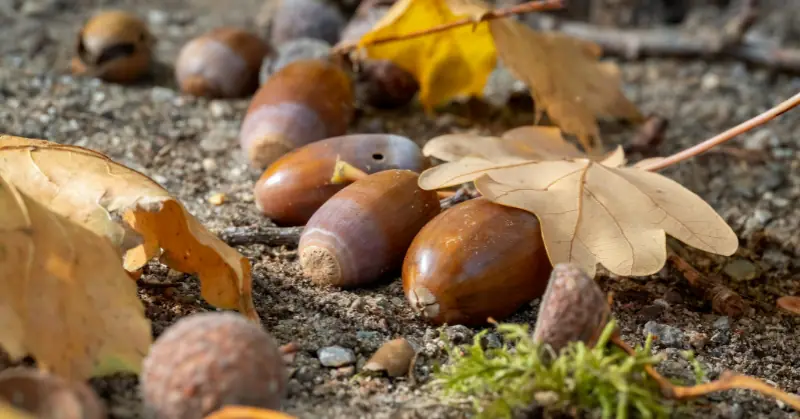
Acorns are everywhere during certain seasons, especially in areas with oak trees. Dogs are naturally curious, and many are drawn to acorns because they:
- Smell interesting
- Roll on the ground (triggering chase instincts)
- Look like chewable toys
- Are easy to swallow for medium and large dogs
This creates anxiety for pet parents, especially when they don’t know:
- Whether acorns are toxic
- How many acorns are dangerous
- What symptoms to watch for
- When to call the vet
Let’s break it all down — step by step.
Can Dogs Eat Acorns?
No, dogs should not eat acorns. Acorns are toxic to dogs and can cause a range of health problems. They contain substances called tannins, which are harmful when ingested. Additionally, acorns are hard and indigestible, making them a choking hazard and a common cause of intestinal obstruction.
This applies to:
- Raw acorns
- Acorns from oak trees
- Acorns picked off the ground
- Acorns directly from trees
In other words, if it is an acorn, it is not safe. Puppies are more vulnerable because their bodies are smaller and still developing. A few acorns that a large dog might shrug off could make a puppy very sick. Supervision and training are even more important for young dogs.
Read more: Can Dogs Eat Raw Chicken?
Why Are Acorns Dangerous for Dogs?
Acorns pose three major risks to dogs:
1. Tannin Toxicity (Poisoning Risk)
Acorns contain tannic acid, a naturally occurring compound that protects oak trees from pests. Unfortunately, tannins can irritate a dog’s digestive system and, in larger amounts, lead to more serious toxicity. Tannins can cause:
- Vomiting
- Diarrhea
- Abdominal pain
- Loss of appetite
- Lethargy
In severe cases, tannin toxicity may affect the kidneys and liver, especially in small dogs or dogs that eat multiple acorns.
2. Intestinal Blockage (Mechanical Danger)
One of the biggest dangers isn’t chemical — it is physical. Acorns are:
- Hard
- Dense
- Difficult to digest
If swallowed whole or in large pieces, they can become stuck in the stomach or intestines, leading to a gastrointestinal obstruction. This is particularly dangerous because blockages often require emergency surgery.
3. Choking and Dental Damage
Dogs that chew on acorns risk:
- Broken teeth
- Mouth injuries
- Choking, especially in small breeds
Even if your dog spits the acorn out, cracked teeth can lead to pain and infection later.
Also read: What Makes Chickpeas Dangerous for Dogs?
Can Dogs Eat Acorns Raw?
No, dogs should not eat raw acorns. Raw acorns are more dangerous than processed ones because they contain higher levels of tannins. Dogs lack the digestive enzymes needed to safely process these compounds. Eating raw acorns increases the risk of:
- Immediate vomiting
- Severe stomach irritation
- Toxic buildup if multiple acorns are eaten

Read more: Can Dogs Eat Pancakes?
Can Dogs Eat Acorns from Oak Trees?
No — acorns from oak trees are not safe for dogs. In fact, oak trees themselves (including leaves, bark, and buds) can also be toxic to dogs if ingested.
Acorns from oak trees are the most common source of acorn-related dog poisoning. Different oak species may vary slightly in tannin levels, but none are considered safe for dogs.
Can Dogs Eat Acorns Off the Ground?
No, and these may be even riskier. Acorns off the ground can be:
- Moldy
- Contaminated with bacteria or pesticides
- More brittle (increasing choking risk)
Dogs often pick these up quickly during walks, which is why many owners don’t realize what happened until symptoms appear.

You may also want to read: Can Dogs Eat Zucchini?
Dosage Guide
There is no established “safe dose” of acorns for dogs. A single acorn may pass through a large dog’s digestive system harmlessly, but the same amount could cause problems in a small dog. Larger quantities — especially if eaten repeatedly — increase the risk of toxicity and GI issues.
What Happens If My Dog Eats Acorns?
This is one of the most common questions dog owners ask — and the answer depends on how many acorns were eaten, your dog’s size, and whether the acorn was chewed or swallowed whole. Possible outcomes include:
Mild Exposure
- Drooling
- Mild vomiting
- Soft stools
Moderate Toxicity
- Repeated vomiting
- Diarrhea (sometimes dark or tarry)
- Lethargy
- Abdominal pain
Severe Cases
- Intestinal blockage
- Dehydration
- Kidney stress or damage
- Emergency surgery
Other physical risks can be choking (more common in small dogs), intestinal obstruction (if swallowed whole), and damage to the gastrointestinal tract (due to sharp shell edges).
Also read: What Happens If My Dog Eats Cake?
Can Dogs Get Sick from Eating Acorns?
Yes — dogs can absolutely get sick from eating acorns, and symptoms may appear within hours or be delayed for 1-2 days.
Can Eating Acorns Make Dogs Sick Even If It’s Just One?
Sometimes, yes. While one small acorn may not cause severe poisoning in a large dog, it can still:
- Irritate the stomach
- Cause vomiting
- Get lodged in the digestive tract
For small dogs, puppies, and seniors, even one acorn can be dangerous.
Symptoms of Acorn Poisoning or Obstruction in Dogs
Knowing the warning signs can save your dog’s life. Watch for these symptoms:
Digestive Signs
- Vomiting (especially repeated)
- Diarrhea
- Drooling excessively
- Loss of appetite
Behavioral Changes
- Lethargy
- Weakness
- Hiding or acting withdrawn
Pain or Obstruction Signs
- Whining or restlessness
- Swollen or painful abdomen
- Straining to poop or not pooping at all
If you notice any of these symptoms, contact your vet immediately.
How Quickly Symptoms Appear?
Symptoms of acorn ingestion can appear within a few hours, but signs of internal issues like blockages might take days to develop. It is crucial to monitor your dog for at least 24-48 hours after suspected ingestion.
Real-Life Examples
A dog owner once shared how her Labrador retriever loved playing fetch under oak trees. One evening, her dog began vomiting repeatedly and refused food. X-rays revealed multiple acorns causing a partial intestinal blockage. The dog required:
- IV fluids
- Pain management
- Close monitoring
Thankfully, surgery was avoided — but the vet warned that a few more hours could have changed the outcome. This is more common than many owners realize. Below is a list of more personal experiences of dog owners that highlight the real risks:
- One owner reported a weekend of vomiting and discomfort after their dog ate several acorns — a scenario that required late-night trips to the vet.
- Another dog owner’s puppy ate acorns on a walk and initially seemed fine, then later became lethargic — a classic warning sign that warranted professional care.
- In other cases, larger dogs passed acorns with no symptoms, but owners still took precautions on future walks.
These examples underscore that each dog and situation is different, and it is always better to err on the side of caution.
What Should You Do If Your Dog Eats an Acorn?
Here is a step-by-step immediate action plan.
1. Stay Calm and Don’t Panic
Most cases are treatable if addressed early. Watch your dog closely for symptoms. If they start vomiting, have diarrhea, seem uncomfortable, or act unusually tired, contact a vet right away.
2. Remove Access
Take away any remaining acorns immediately so that your dog doesn’t eat more and stays away from further danger or unwanted situations.
3. Do Not Induce Vomiting
Inducing vomiting is not recommended, as it can be dangerous without veterinary guidance and can cause choking or aspiration.
4. Observe Closely
Monitor your dog for at least 48 hours to see if anything unusual comes up in his behavior. If you notice anything, call a professional vet without any delay.
5. Call Your Vet
Call your veterinarian or an emergency animal clinic if:
- Your dog ate more than one acorn
- Your dog is small or a puppy
- Any symptoms appear
Your vet may recommend:
- Monitoring at home
- Hospital tests (like blood work for kidney and liver function)
- IV fluids for dehydration
- X-rays or an ultrasound to check for blockages
- Medications to control vomiting or pain
- Surgery if there is an obstruction.
Pro tip: Keep the phone number for your vet and a poison control hotline accessible — in the U.S., the ASPCA Animal Poison Control Center is a crucial resource (though there may be a consult fee).
When Is It an Emergency?
Seek immediate veterinary care if your dog:
- Is vomiting repeatedly
- Has severe abdominal pain
- Is lethargic or collapsing
- Cannot keep food or water down
Why Does My Dog Pick Up Acorns?
This question shows up frequently in “People Also Ask” sections — and for good reason. Dogs pick up acorns because:
- They smell novel and earthy
- They roll and move unpredictably
- Dogs explore with their mouths
- Some dogs have pica (eating non-food items)
Puppies and high-energy breeds are especially prone to this behavior.
Prevention: How to Stop Your Dog from Eating Acorns?
Below are some practical, real-world tips.
- Practice “Leave It”: Train a reliable “leave it” command using treats and positive reinforcement.
- Use a Leash in High-Risk Areas: Keep a close eye on your dog when they are outside, especially during fall under oak trees.
- Yard Maintenance: Regularly rake and remove acorns from your yard.
- Muzzle Training (When Necessary): For dogs that compulsively eat objects outdoors.
- Provide Mental Stimulation: Bored dogs are more likely to chew random objects.
- Redirect with Toys: Bring your dog’s favorite toys on walks to distract them from foraging acorns.
Can Dogs Eat Acorn Squash?
This is an important distinction. Yes — plain, cooked acorn squash is generally safe for dogs in moderation. If you are searching for “Can dogs eat acorn squash skin?”, the answer is NO. The skin is tough and difficult to digest, and can cause stomach upset or choking.
Safe Guidelines:
- Cooked only (steamed or baked)
- No seasoning, butter, or salt
- Remove skin and seeds
Acorn squash is not the same as acorns from oak trees.
Acorns vs. Acorn Squash: Quick Comparison
| Item | Safe for Dogs? | Why |
| Acorns (oak trees) | ❌ No | Toxic tannins, obstruction risk |
| Raw acorns | ❌ No | Higher toxicity |
| Acorns off the ground | ❌ No | Mold, bacteria |
| Acorn squash (plain) | ✅ Yes | Nutritious when cooked |
| Acorn squash skin | ❌ No | Hard to digest |
Key Takeaways for Dog Owners
- Acorns are unsafe for dogs in any form
- Even one acorn can cause problems, especially in small dogs
- Watch closely for symptoms within 48 hours
- Call your vet if you are unsure — early care matters
- Acorn squash is safe, but acorns are not
Final Verdict: Can Dogs Eat Acorns?
No — dogs should never eat acorns. They are toxic, a choking hazard, and a cause of intestinal blockage. While not every case results in an emergency, the risks are serious enough that prevention and quick action are essential.
If your dog eats an acorn, even if they seem fine at first, it is important to stay alert for symptoms such as vomiting, diarrhea, lethargy, abdominal pain, or loss of appetite.
In some cases, complications like intestinal obstruction or kidney stress can develop hours or even days later. When in doubt, contacting your veterinarian is always the safest choice.
While acorn squash is safe for dogs when cooked and served plain, true acorns are not food and should always be avoided. Prevention is key — keep yards clear of fallen acorns, supervise outdoor play, and train your dog to ignore unfamiliar objects on walks.
Avoiding acorns altogether is the best way to protect your dog from unnecessary health risks and emergency vet visits.
FAQs
A: If a dog eats acorns, they may develop vomiting, diarrhea, drooling, stomach pain, or lethargy. In severe cases, acorns can cause intestinal obstruction or kidney-related complications, which may require emergency veterinary treatment.
A: Curiosity, scent, boredom, or instinctive chewing behavior are the most common reasons.
A: There is no safe number of acorns for dogs. Even one acorn can cause health problems depending on the dog’s size, age, and health status.
A: Keep yards clear of fallen acorns, supervise outdoor play, use a leash during walks, and train commands like “leave it.” During heavy acorn seasons, additional supervision is essential.