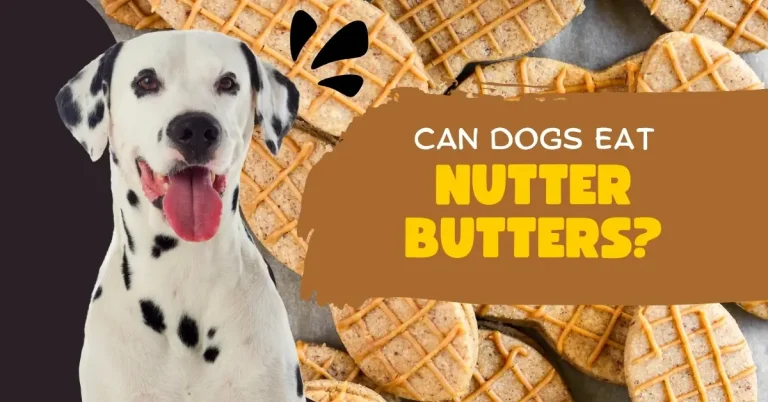
Your dog just grabbed a cookie off the table — and now you are Googling “Can dogs eat Nutter Butters?” in a panic. You’re not alone.
Many dog owners worry about peanut butter, sugar, artificial sweeteners, and whether a single bite could send their dog to the vet. To make things even more confusing, online advice is often conflicting, leaving you unsure what’s actually safe and what’s not.
This guide cuts through the noise with a clear, vet-informed answer. We’ll explain whether dogs can eat Nutter Butters cookies, break down the ingredients in simple terms, cover what to do if your dog already eaten one, and share safer, dog-friendly alternatives.
Whether you are looking for quick reassurance or long-term guidance, this article is designed to help you make confident, responsible choices for your dog’s health.
What Are Nutter Butters?
Nutter Butters are a popular peanut butter-flavored sandwich cookie made for human consumption. They consist of two crunchy, peanut-shaped cookies with a sweet, creamy peanut butter filling in the middle. Because of their strong peanut aroma and flavor, many dogs are naturally attracted to them and may try to sneak a bite if given the chance.

However, despite the name and taste, Nutter Butters are not the same as plain peanut butter. They are a highly processed snack that contains added sugar, refined flour, fats, salt, and preservatives — ingredients designed for people, not dogs.
While peanut butter itself can be dog-safe in certain forms, the cookie format changes the nutritional profile significantly, making Nutter Butters far less suitable (and potentially problematic) as a treat for dogs.
Why Dog Owners Worry About Nutter Butters?
Most concerns come from a few real fears:
- Is there toxic peanut butter or xylitol in them?
- Did Reddit or another site say they’re dangerous?
- My dog already ate one — is this an emergency?
- If it’s not toxic, how unhealthy is it really?
Let’s clear up the confusion.
Can Dogs Eat Nutter Butters? Is It Safe?
The honest answer is NO, dogs should not eat Nutter Butters, even though they are not considered immediately toxic in most cases.
Many dog owners assume that anything made with peanut butter must be safe, but Nutter Butters are a human dessert, not a dog treat, and their overall ingredient makeup is the real concern.
While a very small bite is unlikely to cause serious harm for a healthy dog, Nutter Butters are high in sugar, fat, and processed carbohydrates, which dogs don’t need and don’t handle well.
Regular exposure — or even a single large serving — can lead to digestive upset, unwanted weight gain, and long-term health issues.
So although they aren’t as dangerous as chocolate or grapes, they are still best avoided and replaced with safer, dog-friendly alternatives.
Read more: Can Dogs Eat Artichokes?
Ingredient-by-Ingredient Risk Explained
To understand why Nutter Butters aren’t a good choice for dogs, it helps to look at the individual ingredients rather than the cookie as a whole.
None of these ingredients are meant to support a dog’s health, and some can cause problems depending on your dog’s size, sensitivity, and how much is eaten.
Here is a simple breakdown of the main ingredients and their risks:
Peanut Butter (Processed Filling)
- Plain, xylitol-free peanut butter can be safe for dogs in small amounts.
- In Nutter Butters, it is heavily processed and mixed with sugar and fats, making it harder for dogs to digest.
- Adds unnecessary calories with little nutritional benefit.
Sugar & Corn Syrup
- Dogs don’t need added sugar in their diet.
- Can cause stomach upset, loose stools, and hyperactivity.
- Long-term exposure increases the risk of obesity, dental issues, and diabetes.
Refined Flour (Wheat)
- Not toxic, but offers no real nutrition for dogs.
- May trigger digestive issues or itching in dogs with grain sensitivities.
Added Fats & Oils
- High fat content can upset a dog’s stomach.
- In sensitive dogs, especially smaller breeds, this may increase the risk of pancreatitis.
Salt (Sodium)
- Small amounts aren’t immediately dangerous, but dogs are much more sensitive to salt than humans.
- Excess sodium can lead to increased thirst, dehydration, or electrolyte imbalances.
Artificial Flavorings & Preservatives
- Used to extend shelf life and enhance taste for humans.
- Can irritate sensitive stomachs and offer no health value to dogs.
Even though none of these ingredients are instantly poisonous on their own, the combination makes Nutter Butters an unhealthy choice for dogs and a treat that’s best avoided rather than “occasionally shared.”
Also read: What Health Risks Can Wild Rice Pose to Your Dogs?
What Happens If My Dog Eats a Nutter Butter?
If it was just a small nibble, your dog will likely be fine. The normal reactions include:
- Mild gas
- Slightly soft stool
- No behavior changes
But, watch for the signs below carefully:
- Vomiting
- Diarrhea
- Lethargy
- Excessive gas
- Loss of appetite
These symptoms usually show up within 24 hours. If signs persist or your dog ate a large amount, call your vet immediately.
Example: One dog owner shared on Reddit that their pup stole a cookie and was fine after a bit of gas and a soft stool — but the vet still advised observing for 12-24 hours. (Real Reddit experiences echo similar outcomes, emphasizing observation over panic.)
Emergency scenario: If you know or suspect the cookie had xylitol (e.g., sugar-free version) or your dog shows severe symptoms (tremors, seizures, collapse), seek immediate veterinary care.
You may also want to read: What to Do If My Dog Eat Green Onions?

Can Dogs Eat Nutter Butters According to Reddit?
Many dog owners on Reddit note:
- Small doses don’t harm dogs if they are free from sweeteners.
- They stress checking for xylitol in any peanut butter product.
- Even anecdotal “my dog ate one and seemed fine” stories don’t make it safe to feed regularly.
So the consensus is: moderation and label-checking are key. But better still, avoid giving them Nutter Butters altogether.
Moderation vs. Avoidance: What Dog Owners Should Know?
One of the biggest questions dog owners have is whether Nutter Butters are sometimes okay or should be completely off-limits. Understanding the difference between accidental exposure and intentional feeding can help you make safer choices for your dog.
Here’s how to think about it:
Accidental Bite vs. Planned Treat
- If your dog sneaks a small bite, it is usually not an emergency (as long as there is no xylitol).
- Intentionally giving Nutter Butters as a treat is not recommended due to poor nutritional value.
Portion Size Matters
- A tiny crumb affects a large dog very differently than a small dog.
- Small breeds are more likely to experience stomach upset from even one cookie.
Frequency Is the Bigger Risk
- One-off exposure is far less concerning than repeated feeding.
- Regular treats high in sugar and fat can lead to weight gain and long-term health issues.
Dogs With Special Sensitivities
- Dogs prone to pancreatitis or with sensitive stomachs should avoid high-fat foods entirely.
- Senior dogs and dogs with diabetes or obesity are at higher risk from sugary snacks.
Smart takeaway: Occasional, accidental exposure may not cause harm, but avoidance is the safest and healthiest approach. When treats are needed, choose options specifically made for dogs or simple, whole foods that support their health instead of human cookies.
Read more: How Many Eggshells You Can Feed Your Canine?
Safer, Dog-Friendly Alternatives
If your dog loves the smell and taste of peanut butter, the good news is that you don’t need to rely on risky human cookies like Nutter Butters.
There are plenty of safer, dog-friendly alternatives that satisfy cravings without the added sugar, fat, and artificial ingredients.
Here are better options to consider:
Dog-Safe Peanut Butter
- Choose natural peanut butter with only peanuts listed as the ingredient.
- Make sure it contains no xylitol, no added sugar, and minimal or no salt.
- Serve in very small amounts or use it inside a puzzle toy for enrichment.
Other Safe Nut or Seed Butters
- Sunflower seed butter (xylitol-free) is a good option for dogs with nut allergies.
- Almond butter can be given in tiny portions if your dog tolerates it well.
Whole-Food Treats Dogs Love
- Fresh apple slices (remove seeds and core)
- Carrot sticks or baby carrots
- Plain pumpkin puree (unsweetened, not pie filling)
Commercial Dog Treats
- Look for treats made specifically for dogs with simple, recognizable ingredients.
- Training treats or low-calorie biscuits are better for frequent rewards.
Helpful tip: If you are ever unsure whether a human food is safe, it is best to skip it and choose a dog-approved treat instead. Your dog may not know the difference, but their digestive system definitely will.
Healthy, Fun Options
- Sliced apple (no seeds)
- Small carrot sticks
- Pumpkin-puree treats
- Commercial dog biscuits made for canine digestion
These provide enrichment without the risks of processed sugar and fat.
Final Verdict: Can Dogs Eat Nutter Butters?
When it comes to your dog’s health, it is always better to be cautious than sorry. Can dogs eat Nutter Butters? Technically, a small accidental bite may not be toxic, but that doesn’t make it safe or smart.
These cookies are packed with sugar, fat, and processed ingredients that offer no real benefit to dogs and can easily lead to digestive upset or long-term health issues if given more than once.
The safest choice is simple: avoid feeding Nutter Butters altogether and reach for treats made with your dog in mind. Whether it is xylitol-free peanut butter in tiny amounts, fresh whole foods, or high-quality dog treats, there are far better ways to reward your pup without putting their health at risk.
Your dog trusts you to make the right call — and choosing safer alternatives is one of the easiest ways to keep their tail wagging and their body healthy.
FAQs
A: Think of Nutter Butters like fast food for dogs:
- Not instantly dangerous
- But nutritionally empty
- Harmful if given often
Even occasional treats add up, especially for small or senior dogs.
A: No. According to ingredient lists and common Reddit discussions, Nutter Butters do not contain xylitol. However, they still contain high sugar, fat, and additives that make them unhealthy for dogs. Always double-check labels, as formulas can change.
A: No. Puppies have sensitive digestive systems, and sugary, fatty foods like Nutter Butters can easily cause diarrhea or vomiting.
A: No. Nutter Butters do not contain xylitol, but they are still unhealthy for dogs due to sugar, fat, and additives. Always check the label in case the recipe changes.