

Yes — dogs can eat certain fruits safely, and many of them make excellent natural treats. However, not all fruits are safe. Some are highly nutritious, while others can be toxic or even life-threatening.
As a responsible dog owner, it is important to understand what fruits can dogs eat, what fruits they should avoid, and how to safely serve them.
In this complete guide, you will learn:
- Which fruits are safe and healthy for dogs?
- Which fruits are dangerous or toxic?
- Answers to common questions like can dogs eat citrus fruits, dried fruits, frozen fruits, and fruit snacks?
- Safe feeding guidelines every pet parent should follow
Can Dogs Eat Fruit?
Here is what every dog owner should know. Dogs are omnivores, which means they can digest both animal and plant-based foods. Many fruits are safe for dogs in moderation and can offer benefits like:
- Fiber for digestion
- Vitamins (A, C, and K)
- Antioxidants for immunity
- Hydration support (especially watermelon and berries)
However, fruits should only be treated as occasional snacks, not a dietary staple. Experts recommend that treats (including fruit) make up no more than 10% of a dog’s daily diet. Also, every dog is different—age, breed, allergies, and health conditions (like diabetes) matter a lot.
Can Dogs Eat All Fruits?
No—dogs cannot eat all fruits safely. Even though fruits are healthy for humans, dogs process foods differently. Some fruits contain:
- Toxic compounds
- Dangerous seeds or pits
- High sugar levels
- Digestive irritants
Always verify before feeding any new fruit.
What Fruits Can Dogs Eat and Not Eat? A Quick Summary
Safe Fruits
- Apples
- Blueberries
- Bananas
- Watermelon
- Strawberries
- Mango (properly prepared)
Unsafe Fruits
- Grapes & raisins
- Cherries (pits)
- Avocado (risk factor)
- Citrus fruits (irritating)
- Star fruit
List of Fruits Dogs Can Eat Safely
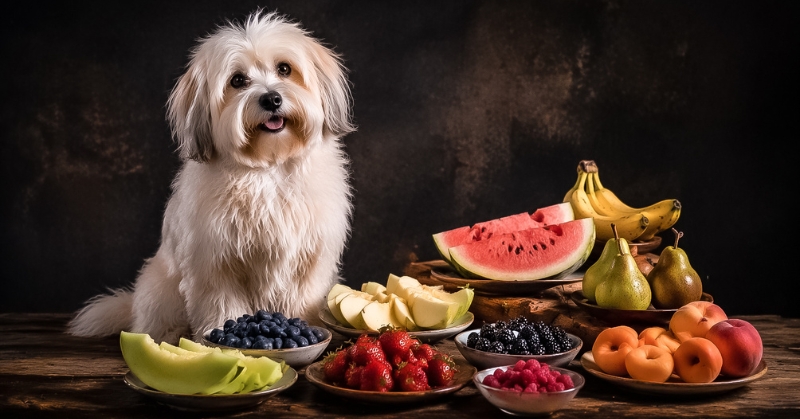
Wondering what fruits can my dog eat? Here is a comprehensive list of dog-safe fruits that are generally healthy when served properly:
Common Safe Fruits for Dogs
- Apples (remove seeds)
- Bananas (in moderation)
- Blueberries
- Blackberries
- Strawberries
- Watermelon (seedless)
- Pears (no seeds)
- Honeydew melon
- Raspberries (small amounts)
- Peaches (small amounts, no pit)
- Apricots (small amounts, no pit)
Tropical & Less Common Safe Fruits
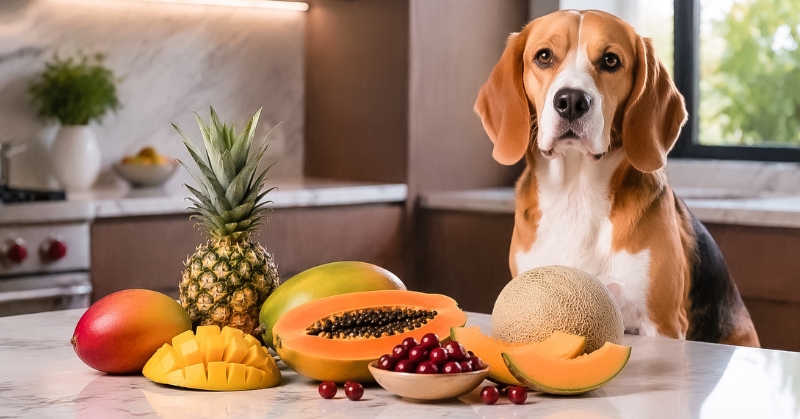
- Mango (no pit or skin)
- Pineapple (small amounts)
- Papaya (ripe only, no seeds)
- Cantaloupe
- Cranberries (unsweetened)
Why These Fruits Are Safe?
These fruits are:
- Low in toxicity risk
- Easy to digest
- Rich in nutrients and antioxidants
Read More: What Human Food Can Dogs Eat Other Than Fruits? (link to this page once it is live)
Safe Fruits for Pregnant Dogs
If your dog is pregnant, the table below will help you choose the right fruit in the right amount to feed your canine.
Fruits to Limit
- Oranges: small segments only (can cause acidity)
- Peaches (no pit): tiny amounts occasionally
Fruits to Avoid Completely
- Grapes & raisins (toxic)
- Cherries (pits + toxicity risk)
- Avocado (can be harmful in excess)
Important Tips for Pregnant Dogs
- Fruits should be <10% of the total diet
- Always serve fresh, clean, and seedless
- Introduce slowly to avoid stomach upset
- Focus mainly on high-quality dog food for pregnancy nutrition
Note: These are general recommendations to help keep your dog safe during the pregnancy. For personalized and more valuable assistance, consult a professional vet.
Track your dog’s pregnancy timeline and feeding needs easily with our Dog Pregnancy Calculator. This tool not only shares the estimated due date but also provides a complete report with week-by-week pregnancy progress and actionable tips.
Expecting puppies? Use our Dog Name Generator to pick the perfect names in advance.
What Fruits Can Dogs Not Eat?
Not all fruits are safe for dogs—some can cause mild digestive upset, while others are extremely toxic and potentially life-threatening. Even a small amount of certain fruits can lead to serious health issues like kidney failure, choking hazards, or neurological damage.
As a responsible pet owner, it is crucial to know what fruits can dogs not eat, so you can prevent accidental poisoning and keep your dog safe. Below is a clear breakdown of the most dangerous fruits and why they should always be avoided.
Let’s look at the highly toxic fruits you should always avoid.
Grapes & Raisins
Grapes and raisins are among the most dangerous foods for dogs. Even a very small amount—sometimes just a few grapes or a handful of raisins—can lead to sudden and severe kidney failure in some dogs. The exact toxic substance is still unknown, but the risk is well-documented and extremely serious.Reactions can vary from dog to dog; therefore, there is no safe amount of grapes or raisins. Always treat ingestion as a medical emergency requiring immediate veterinary attention. Early symptoms may include vomiting, lethargy, loss of appetite, and abdominal pain, followed by more severe signs like dehydration and reduced urination if kidney damage begins.

Cherries
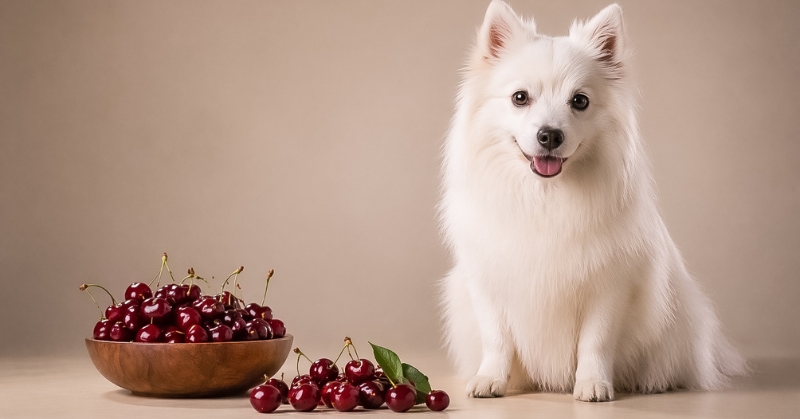
Cherries can be risky for dogs, even though the fruit flesh itself is not highly toxic. The real danger comes from the pits, stems, and leaves, which contain compounds that can release cyanide when crushed or chewed.
In addition to potential toxicity, cherry pits also pose a serious choking hazard and can cause intestinal blockages if swallowed. Because of these risks, you should generally avoid adding cherries to your dog’s diet.
Key Risks of Cherries for Dogs
- Pits, stems, and leaves may contain cyanide compounds
- High choking risk from hard cherry pits
- Possible intestinal blockage if swallowed
- Even small amounts can be unsafe if not properly prepared
- Even small amounts can be unsafe if not properly prepared
Avocado
Avocado is a controversial fruit when it comes to dogs. While some dogs may tolerate small amounts of the flesh, it contains persin, a substance that can cause digestive upset in sensitive pets.
The biggest concerns, however, are the large pit and high fat content, both of which can lead to serious health problems such as choking or pancreatitis. Because of these risks, avocado is not recommended as a regular treat for dogs.
Key Risks of Avocado for Dogs
- Contains persin, which may cause stomach upset in dogs
- High fat content can contribute to digestive issues or pancreatitis
- Large pit poses a serious choking and blockage hazard
- Skin and leaves are more toxic than the flesh

Fruits That May Be Unsafe or Irritating
Some fruits are not strictly toxic but can still cause discomfort or digestive problems in dogs, especially when eaten in large amounts.
These fruits are often too acidic, too fibrous, or simply not suited to a dog’s digestive system. While small bites may not always cause harm, they can still trigger unwanted reactions in sensitive dogs.
Commonly Irritating Fruits
- Citrus fruits (oranges, lemons, limes, grapefruit)
- Unripe fruits (can be hard to digest and cause stomach upset)
- Overly acidic fruits in large quantities
Possible Effects in Dogs
- Vomiting or diarrhea
- Stomach irritation or gas
- Reduced appetite or discomfort
- Sensitivity in dogs with weak digestion
Can Dogs Eat Citrus Fruits?
Citrus fruits like oranges, lemons, and limes are not toxic in small amounts, but they are generally not recommended.
Why?
- High citric acid may lead to stomach upset
- Essential oils in the peel may cause toxic reactions
- Can cause vomiting, drooling, or diarrhea
Dogs can technically eat a small bite of orange, but citrus fruits are best avoided.
Can Dogs Eat Fruit Snacks or Processed Fruit?
No—commercial fruit snacks are not safe for dogs.
Reasons
- High sugar content
- Artificial flavors and preservatives
- Possible toxic sweeteners (like xylitol in some products)
Always stick to fresh, natural fruit only.
Can Dogs Eat Passion Fruit?
No, passion fruit is not recommended for dogs. Here is why you shouldn’t feed it to your canine.
- Seeds and pulp can cause digestive upset
- Unknown long-term safety in pets
- May cause diarrhea in sensitive dogs
Safer alternatives include blueberries or watermelon.
Can Dogs Eat Star Fruit?
No, star fruit is considered dangerous for dogs.
Risks
- It can affect kidney function
- May cause neurological symptoms in severe cases
- Not safe for dogs with kidney issues
Considering these risks, you should avoid star fruit completely.
Can Dogs Eat Frozen Fruit?
Yes! Frozen fruits can be a great summer treat, but not part of your dog’s regular diet.
Safe Frozen Options
- Frozen blueberries
- Frozen banana slices
- Frozen watermelon cubes
Benefits
- Hydrating
- Cooling in hot weather
- Great enrichment treat
Always cut into small pieces to avoid choking.
Can Dogs Eat Dried or Dehydrated Fruit?
Dried or dehydrated fruits are generally not recommended. However, dogs can eat these forms of fruit, but only in moderation and with caution.
Why Caution is Needed?
- High sugar content: Drying fruit concentrates sugar, which can lead to weight gain or digestive upset.
- Smaller portions needed: A little goes a long way compared to fresh fruit.
- Additives risk: Some packaged dried fruits contain added sugar, preservatives, or xylitol (toxic).
Avoid Completely
- Raisins, sultanas, and currants are extremely dangerous/toxic to dogs.
- Any dried fruit with added sweeteners or artificial ingredients
Safe Dehydrated Fruits (Best Option)
(No added sugar, no preservatives — just water removed)
- Apples (no seeds/core)
- Bananas
- Blueberries
- Strawberries
- Mango (no pit/skin)
- Pineapple
- Peaches (no pit)
These fruits retain nutrients without harmful additives—ideal occasional treats.
Store-Bought Dried Fruits (Feed With Caution)
(Often contain added sugar, oils, or preservatives)
- Dried apples
- Dried cranberries
- Dried apricots
- Dried mango
Only give if:
- Unsweetened
- No sulfites or preservatives
- No xylitol (extremely toxic)
Keep the portion very small due to concentrated sugar.
Can Dogs Eat Frozen Fruit Snacks or Dehydrated Store Products?
Be careful:
- Many store products contain added sugar
- Some include preservatives or artificial flavors
- Not suitable for regular feeding
Stick to plain, fresh fruit only.
What Kind of Fruit Can Dogs Eat? (By Dog Type)
Not all dogs have the same nutritional needs, which is why the types of fruits they can safely enjoy may vary based on their age, size, breed, and overall health.
While many fruits are generally safe in moderation, choosing the right ones for your specific dog ensures better digestion, fewer health risks, and a more balanced diet.
Understanding what kind of fruit can dogs eat according to their individual needs can help you make safer and smarter feeding choices.
Puppies
- Only very small portions
- Soft fruits like bananas or watermelons
Adult Dogs
- A wider variety allowed
- Still in moderation
Senior Dogs
- Soft, easy-to-digest fruits
- Lower sugar options preferred
Dogs with Health Conditions
- Diabetic dogs: avoid high-sugar fruits
- Overweight dogs: limit fruit intake
- Sensitive stomach: introduce slowly
How to Safely Feed Fruits to Dogs?
Feeding fruits to your dog can be a healthy and refreshing treat when done correctly, but preparation and portion control are very important.
Even safe fruits can cause problems if they are not washed properly, contain seeds or pits, or are given in large amounts. By following a few simple safety steps, you can make fruit a safe and enjoyable part of your dog’s diet.
Follow These Safety Rules
- Wash fruits thoroughly to remove dirt, pesticides, and chemicals
- Remove all seeds, pits, and stems to prevent choking or toxicity risks
- Cut fruits into small, bite-sized pieces for easy chewing and digestion
- Introduce new fruits slowly, one at a time, to monitor tolerance
- Watch your dog closely for any signs of allergies or digestive upset
Tip: Always start with a very small amount and wait 24 hours before introducing another fruit to ensure your dog reacts well.
Recommended Fruit Serving Size
As stated earlier, always treat fruits as an occasional treat, not a main part of your dog’s daily diet. Even healthy fruits contain natural sugars, which can lead to weight gain or digestive issues if given in large amounts.
That’s why portion control is essential when feeding fruit to dogs of any size or age. To keep things simple, follow these general serving guidelines based on your dog’s size:
Safe Fruit Serving Sizes
- Small dogs: 1-2 small bite-sized pieces per day
- Medium dogs: a small handful of fruit pieces per day
- Large dogs: a slightly larger handful, still in moderation
Important Feeding Rules
- Fruits should make up no more than 10% of your dog’s daily calories (as mentioned above)
- Always balance fruit treats with a complete and nutritious dog food diet
- Avoid feeding multiple types of fruit in large quantities at the same time
- Reduce portion size for overweight or diabetic dogs
Tip: When in doubt, it is always safer to feed less rather than more. Moderation is key to keeping your dog healthy.
Signs Your Dog Ate a Toxic Fruit
Watch for symptoms like:
- Vomiting
- Diarrhea
- Weakness
- Loss of appetite
- Excessive drooling
- Lethargy
Emergency: If your dog eats grapes, raisins, or cherries with pits, contact a vet immediately.
Final Thoughts: Choosing Safe Fruits for Your Dog
Fruits can be a healthy and refreshing treat for dogs when chosen carefully, but not all fruits are safe. So, what fruits can dogs eat and not eat?
Options like apples, blueberries, bananas, and watermelon are generally good in moderation. In contrast, toxic fruits such as grapes, raisins, sultanas, and cherries should always be avoided to protect your dog’s health.
The key is moderation and awareness—always remove seeds and pits, control portion sizes, and introduce new fruits slowly. When in doubt, keep it simple and consult your vet, because your dog’s safety and well-being should always come first.
Frequently Asked Questions (FAQs)
What fruit can dogs eat safely?
Dogs can safely eat fruits like apples (no seeds), bananas, blueberries, strawberries, watermelon, mango, and cantaloupe in small, controlled amounts.
Can dogs eat grapes?
No. Grapes and raisins are highly toxic to dogs and can cause sudden kidney failure, even in very small amounts.
Can dogs eat frozen fruit?
Yes, dogs can eat frozen fruits like blueberries, banana slices, and watermelon—as long as they are cut properly and given in moderation.
Can dogs eat fruit snacks or fruit rolls?
No. Processed fruit snacks are unsafe because they contain added sugar, preservatives, artificial flavors, and sometimes toxic sweeteners like xylitol.
Can dogs eat dried fruit?
Most dried fruits are not recommended because they are high in sugar, and some (like raisins) are extremely toxic to dogs.
Can dogs eat all fruits in moderation?
No. While many fruits are safe, some are toxic or harmful even in small amounts. Always check before feeding any new fruit to your dog.
Can dogs eat fruits with seeds or pits?
No. Fruits like cherries, peaches, plums, and apricots are dangerous because their pits can cause choking and may contain toxic compounds.
Can dogs eat dehydrated fruit?
Dogs can eat some dehydrated fruits in very small amounts, but they are generally not recommended. Dehydrated fruit is highly concentrated in sugar, which can lead to weight gain and digestive upset. Avoid especially dehydrated grapes (raisins), as they are toxic to dogs. Always choose plain, unsweetened options and feed only occasionally.
What fruits are best for dogs?
The best fruits for dogs are low-sugar, dog-safe options like apples, blueberries, watermelon, strawberries, and bananas, given in moderation.
How much fruit can I give my dog?
Fruit ingestion should not be more than 10% of your dog’s daily diet. Small dogs should get just a few pieces, while larger dogs can have slightly more in moderation.
What should I do if my dog eats a toxic fruit?
If your dog eats grapes, raisins, or any unsafe fruit, contact a veterinarian immediately. Early treatment is critical in preventing serious health complications.